









About EMA

Join Us

Explore the career, scholarship and internship opportunities available in EMA.

  • Experienced Professionals
  • Early Careerists
  • Scholars

Our Energy Story

Overview

Discover how the Singapore Energy Story sets the vision towards a net-zero energy future.

Energy Supply

Gain insights into the four switches that power Singapore’s economy and our daily lives.

Energy Demand

Discover ways to enhance energy efficiency and lower your carbon footprint.

Energy Grid

Explore how EMA ensures a reliable and secure energy supply for everyone.

Energy Market Landscape

Learn about the intricacies of Singapore’s energy market structure and operations.

Regulations & Licences

Regulations

Stay up-to-date with the latest regulations, policies and frameworks governing the energy sector.

Licences

Learn about the licences that EMA issues to different stakeholders in the energy sector.

Regulatory Publications

Read about the Codes of Practice and Circulars that EMA publishes to regulate the energy sector.

Partnerships

Calls for Proposal

Collaborate with EMA in co-creating innovative solutions for the energy sector.

Consultations

Give your comments and feedback on EMA’s policies and regulations.

R&D Engagements

Discover how EMA works with stakeholders to catalyse new and innovative digital technologies.

Talent Development

Learn about EMA’s efforts in nurturing talent and cultivate interest in the energy sector.

Government officials will NEVER ask you to transfer money or disclose bank log-in details over a phone call. Call the 24/7 ScamShield Helpline at 1799 if unsure. For more information on how to protect yourself against scams, please visit www.scamshield.gov.sg.

Growing with Data: An Intern's Energy Story

10 Dec 2025
Featured Stories 10 Dec 2025

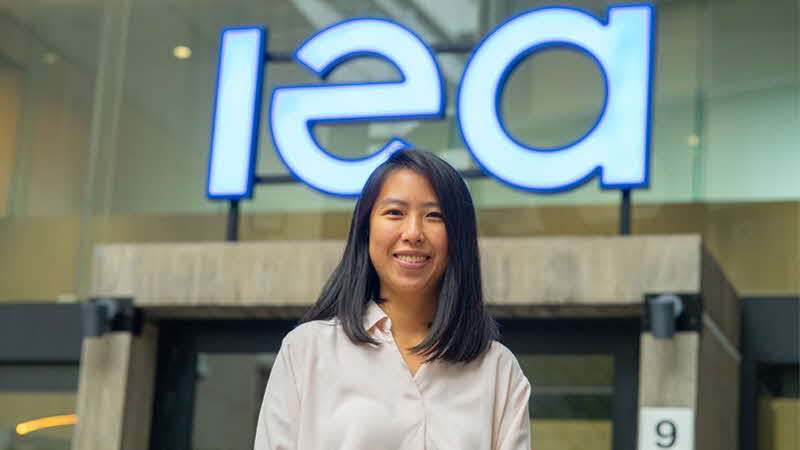
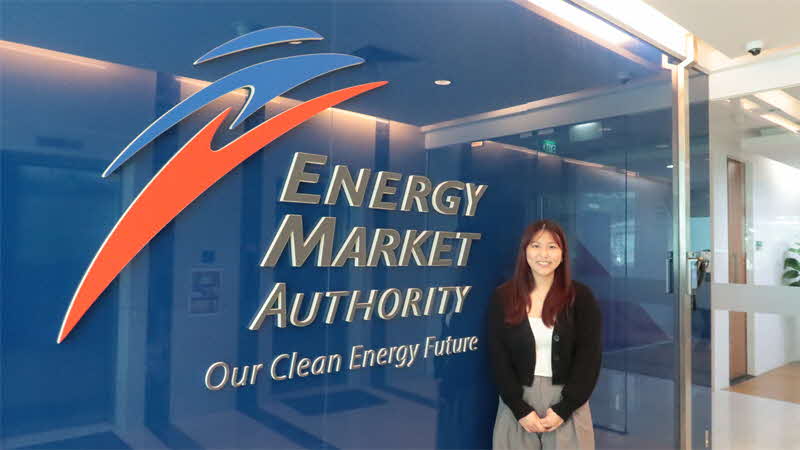
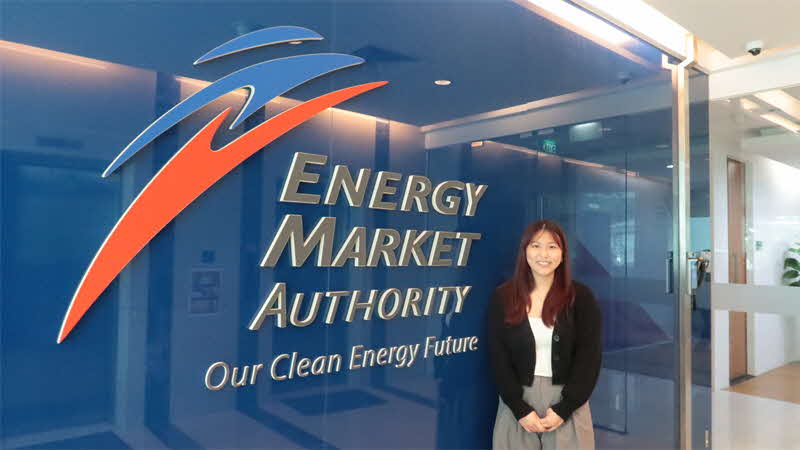
Tan Hui Xin, currently interning with the Data and Analytics department at the Energy Market Authority.

An unexpected opportunity during a previous internship first sparked Tan Hui Xin’s curiosity about sustainable energy. What began as an exposure to how companies explore cleaner ways of powering the future soon grew into a deeper interest in how data and technology can shape a low-carbon Singapore.

Now a third-year Business Analytics student at the Singapore University of Social Sciences (SUSS), Hui Xin is interning with EMA’s Data Analytics Department — where she is discovering how data-driven tools, thoughtful system design, and collaboration help power a more reliable and sustainable energy future.
1. What sparked your interest in sustainable energy, and how did that lead you to pursue business analytics?

My interest in sustainable energy started during an internship at an oil company, where I had the chance to work with a team focused on sustainable energy initiatives. It opened my eyes to the real-world efforts behind transitioning to cleaner energy and made me realise how important sustainability is for both society and the environment.

Around the same time, I also discovered how powerful data can be. In a previous internship at Marina Bay Sands, I worked with Microsoft Power BI*, and it showed me how data visualisation can reveal underlying issues and support better decision-making. These two experiences shaped my decision to pursue Business Analytics at SUSS, where I could build the skills to use data for meaningful impact.

*A tool by Microsoft that helps users report and visualise data.

2. What drew you to intern with EMA’s Data & Analytics department?

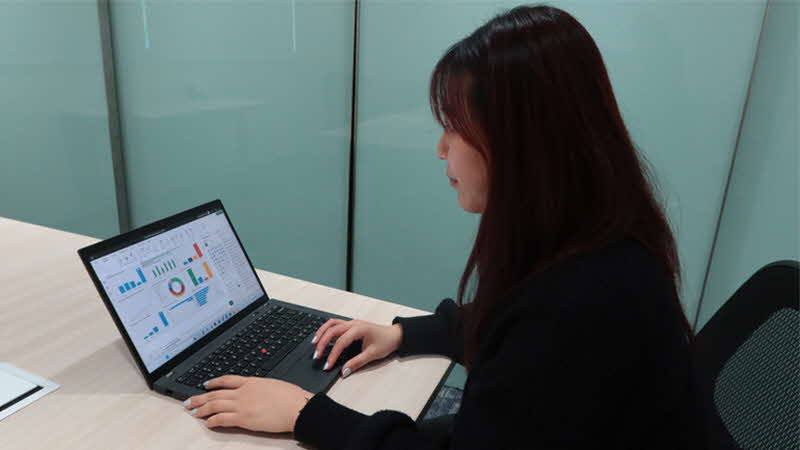
Reviewing data visualisations and analytics in her course of work.

I wanted to understand the energy sector more deeply, especially how data plays a part in shaping long-term energy planning and ensuring system reliability. I was also curious about what it would be like to work in the public sector, and how it differs from private companies.

My experience at EMA has been incredibly fulfilling. I get to work on tasks ranging from data analysis to supporting sustainable energy projects, and I regularly join team discussions that give me insight into how different divisions collaborate.

What stands out most is the supportive culture — my colleagues are always patient in guiding me, explaining concepts, and helping me grow. It has made every task feel meaningful.

3. How do data analytics and data systems support Singapore’s energy goals?

Data analytics help transform complex datasets into insights that guide EMA’s planning and policy decisions. For instance, it supports accurate forecasting of energy demand, integration of renewable sources, and optimisation of grid performance to ensure reliability.

A big part of the work also involves improving how data is managed across its entire life cycle. Updating systems, adopting new technologies, and encouraging good data practices allow teams to access better quality information. This leads to stronger collaboration, less manual work, and more opportunities for innovation – all of which are important for Singapore’s transition to a cleaner energy future.

4. What keeps you motivated while balancing work and studies?

Balancing both commitments can be demanding, but what keeps me going is the sense of growth I experience every day. My colleagues are incredibly supportive and generous with their guidance. Whether it is helping me understand a technical concept or sharing best practices, they always make time to teach – and that motivates me to do my best.

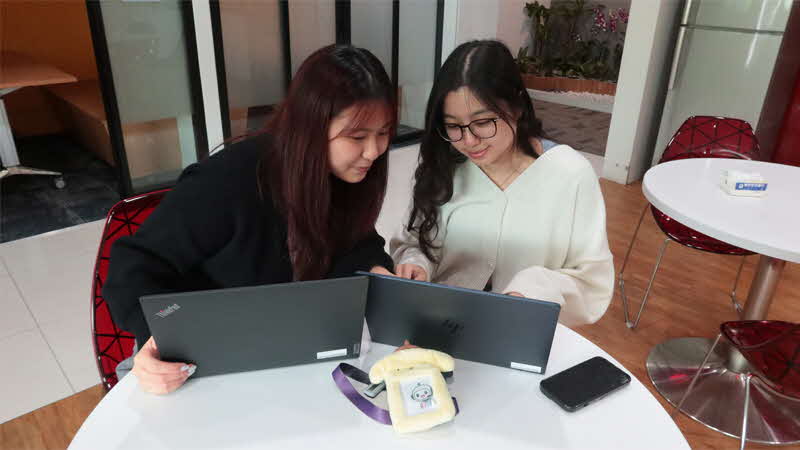
Bouncing ideas off a colleague during a work session.

5. What made you decide to extend your internship from six months to a year?

Six months felt too short to truly immerse myself in projects like the Data & Analytics Platform and EMA’s own internal chatbot (“MILO” – My Info Lookup Officer). Extending my internship allowed me to follow these projects through more stages of their development and contribute in a more meaningful way.

The additional time has helped me grow technically and professionally, and it is rewarding to know that my work helps support Singapore’s energy goals.

6. Could you share more about the MILO project and your involvement with it?

MILO is an internal chatbot that enables EMA officers to find key information quickly, making it easier for them to respond to operational or policy-related queries.

My role involves reviewing documents to improve searchability, helping refine how information is organised, and testing the chatbot to ensure accuracy and consistency. Being part of the project team taught me how digital tools can make a real difference in day-to-day work.

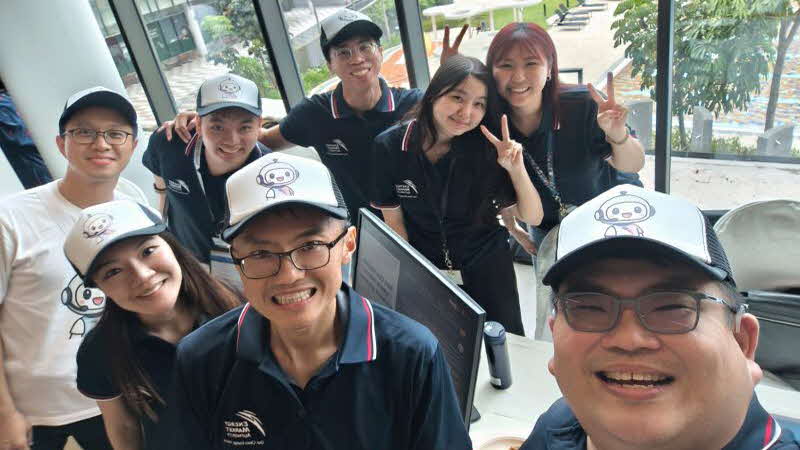
Together with her DAD team, demonstrating MILO's features to EMA staff at the staff forum.

7. What is the next project you will be working on?

I will be working on using AI to automate investigations into cable and gas pipeline damage incidents. These investigations can be time consuming because they usually involve reading long reports manually.

With an AI system, it will help to extract key information, generate summaries, and draft investigation reports. This helps improve accuracy and consistency – important factors for safety and compliance.

8. Looking ahead, how do you hope to apply what you have learned?

I hope to use the skills I have gained – from automation to user-focused system design to develop solutions that enhance energy management and support sustainability goals.

Ultimately, I hope to use technology to create meaningful impact for both communities and the environment.

9.  What is a good tech analogy for explaining your role? 

I see myself as a system optimiser. My role is to streamline processes, reduce manual work, and make systems easier to use. It is about helping things run smoothly behind the scenes so that teams can focus on work that creates the most impact.

EMA welcomes students eager to contribute to Singapore's energy future. Gain hands-on experience and help build a resilient, sustainable energy sector. Visit Early Careerists | EMA today.


Tags

{{ event }}