





Held last month, the Singapore International Energy Week (SIEW) 2025 saw over 23,000 energy policymakers, thought leaders, and industry professionals from more than 80 countries gather to exchange insights, explore new technologies, and strengthen collaborations shaping the global energy future.


- About EMA
- Our Energy Story
- Consumer Information
- Regulations & Licences
- News & Events
- Partnerships
eSERVICES
Get quick access to EMA’s services for application of worker licences, scholarships and more.
Featured Stories
24 Nov 2025
Share


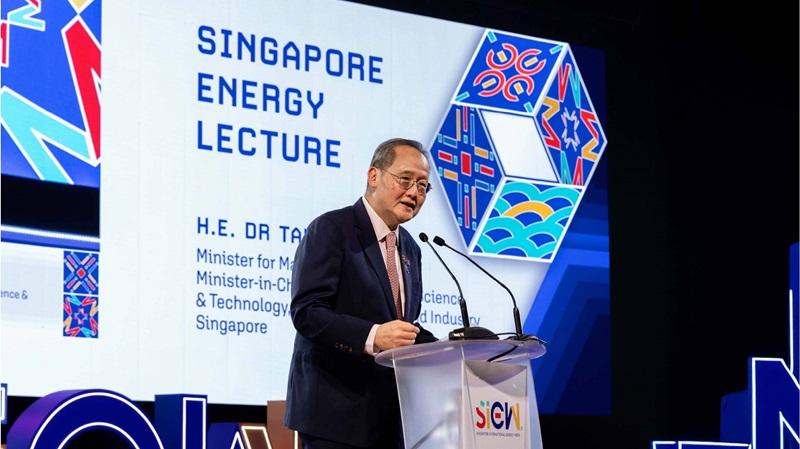
For Singapore, the event marked a significant milestone in its journey towards a sustainable energy future. Minister-in-charge of Science and Energy & Technology, Dr Tan See Leng, set the tone for the week with the Singapore Energy Lecture. Acknowledging the uncertainties brought on by geopolitical tensions, Minister Tan reassured the audience that Singapore will continue to strive to balance sustainability with security as it navigates the energy transition. The four pillars of this journey –Sustainable pathways, Interconnectivity, Ecosystem resilience and Workforce capabilities – were the cornerstone of his address.
Here are the key highlights of these announcements:
Exploring New Frontiers: Forging Partnerships for Singapore’s Nuclear Energy Capability Building
One of the more significant announcements made at the event was the forging of new partnerships on nuclear energy. While Singapore has yet to make a decision on nuclear energy adoption, we will be building our capabilities to facilitate our assessment on the feasibility of advanced nuclear energy technologies for Singapore.
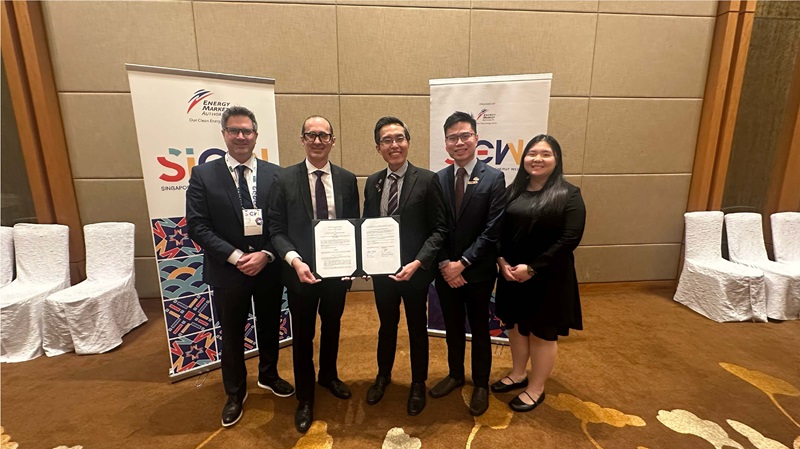
In a bid to deepen its understanding of nuclear energy, Singapore signed two cooperation agreements with organisations from the United States. The first is a Memorandum of Understanding (MoU) with Battelle Memorial Institute, an independent, non-profit applied science and technology organisation. This partnership will allow Singapore to tap into Battelle’s vast network and expertise to advance studies in nuclear energy and advanced reactor technologies.
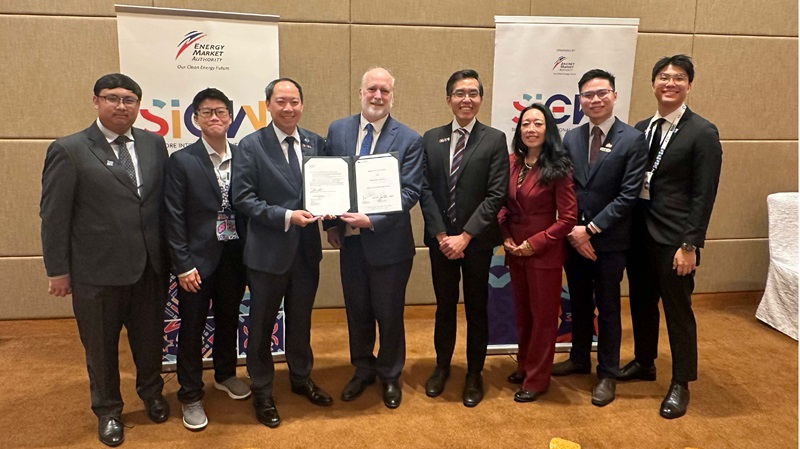
EMA also signed a Letter of Intent with the Idaho National Laboratory to affirm our commitment to collaborate on research, technology assessments, and capacity building for advanced nuclear technologies.
For Singapore, these partnerships represent a pivotal step in its long-term strategy to diversify its energy mix. With the US Department of Energy (DOE) approving Singapore’s inclusion in the Part 810 list of Generally Authorised Destinations for exports of controlled nuclear technology and assistance, this opens the door for deeper knowledge exchange and collaboration. This milestone brings Singapore closer to a future where nuclear energy may potentially be able to play a role in its sustainable energy mix.
Future-proofing Singapore’s Power Grid: Distributed Energy Resources and Smart Technologies
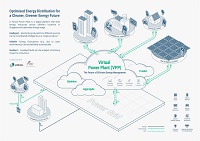
As Singapore transitions to cleaner sources of energy, the need for a more flexible and resilient power grid is paramount. This is where distributed energy resources (DERS) – such as rooftop solar photovoltaics, battery energy storage systems or even electric vehicle chargers – come into play. These small-scale power generation units offer a solution to meet growing energy demands and enhance grid resilience alongside centralised power generation.
To support the integration of DERS into the grid, EMA launched the Virtual Power Plant (VPP) regulatory sandbox. This two-year pilot will assess the feasibility of managing a network of DERS to provide energy and ancillary services to the grid.
Alongside this, the Energy Grid 3.0 Grant Call was also introduced, inviting innovative solutions to enhance grid planning and operations. This initiative is crucial for managing complex grid challenges, such as maintaining stability and resilience when integrating renewable energy sources.
In another major step toward greater grid flexibility, EMA unveiled the Demand-Side Flexibility Roadmap to outline our plans to harness demand-side resources to meet the needs of the power grid caused by supply or demand fluctuations. A key feature of this roadmap is the enhancements made to the Interruptible Load (IL) programme, which will soon offer participants greater certainty by reducing each activation event to half an hour. EMA will also be exploring the feasibility and design of a new programme that would incentivise demand-side resources to provide contingency reserves for extended periods. Together, these initiatives will ensure that Singapore’s grid remains reliable and adaptable as the nation shifts to a low-carbon future.
Empowering Singapore’s Energy Workforce: A Future-ready Workforce
When we think about Singapore’s energy transition, it is easy to focus on the new technology making it possible. But behind every technological deployment, there is a skilled workforce making it happen. The success of Singapore’s energy transition is not just about having the right tools – it is also about having the right people.
To support this, EMA has been working with Institutes of Higher Learning (IHLs) and industry partners to develop training programmes that equip workers with the skills needed for the power sector.
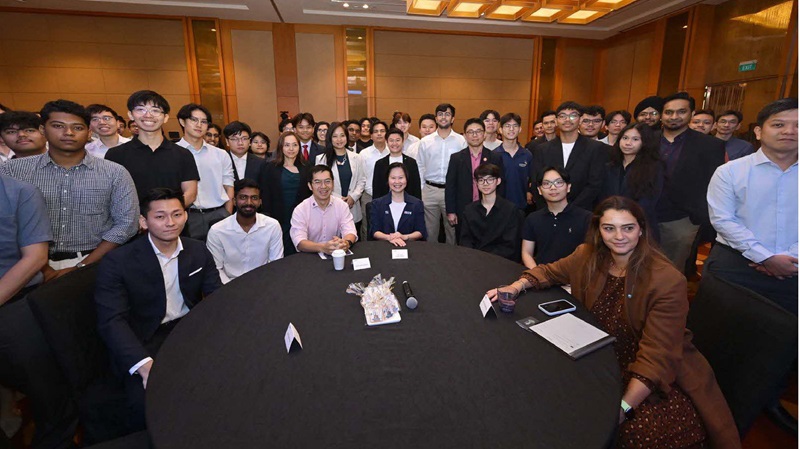
One of the initiatives is the Institute of Technical Education's (ITE) new Technical Engineer Diploma in Electrical Engineering (Clean Energy). This diploma, which provides students with a foundation in electrical engineering while equipping them in clean energy areas, is recognised by EMA for Licensed Electrical Technician (LET) licence application.
But the work does not stop there. To truly build a future-ready workforce, learning has to be continuous. That is why EMA has worked with Singapore Polytechnic and the Singapore Institute of Technology, as part of the Green Skills Committee, to offer continuing education programmes in emerging fields such as renewable energy integration and smart grid technologies.
We have also introduced an internship training plan for tertiary students to receive the necessary training and work experience that would better prepare them to become licensed electricians and licensed electrical technicians.
To support individuals and the workforce in navigating emerging opportunities, we have refreshed the Clean Energy Jobs-Skills Insight – a resource that spotlights emerging areas of work, jobs, and skills across the energy sector.
These initiatives ensure that the current workforce stays ahead of the curve, ready to harness emerging technologies and drive Singapore's energy transition.
Strengthening Energy Resilience Through Collaborations
No nation can transition to a clean energy future in isolation, and Singapore is committed to strengthening regional and global partnerships. At SIEW 2025, significant steps were taken to deepen these collaborations.
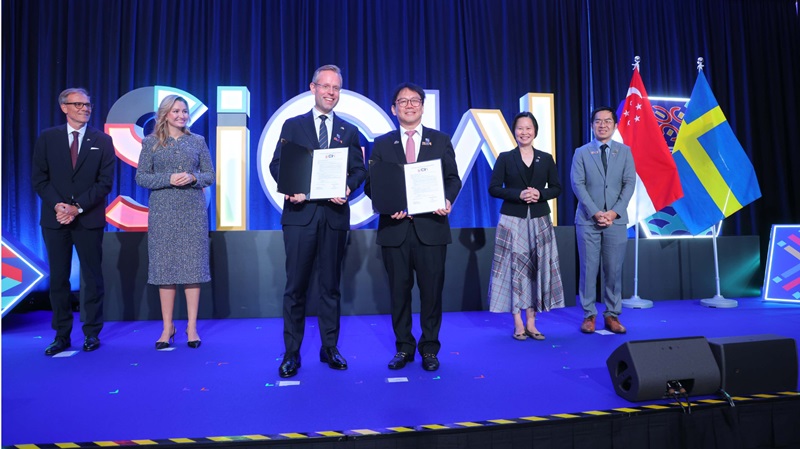
Following the signing of the MOU on Energy Cooperation with Sweden in 2024, EMA co-hosted the inaugural Singapore–Sweden Forum with Team Sweden at SIEW 2025. The Forum brought together energy leaders from both countries to discuss hydrogen and other clean fuels, smart grids, and energy efficiency. The discussions paved the way for continued collaboration, especially in areas like regional energy interconnectivity and innovative clean energy technologies.
To further regional integration, EMA has partnered with the Ministry of Trade and Industry and The International Tracking Standard Foundation to develop the Cross-Border Renewable Energy Certificate (REC) Framework. This framework will allow for cross-border tracking of renewable electricity, providing transparency and boosting confidence in the international renewable energy market.
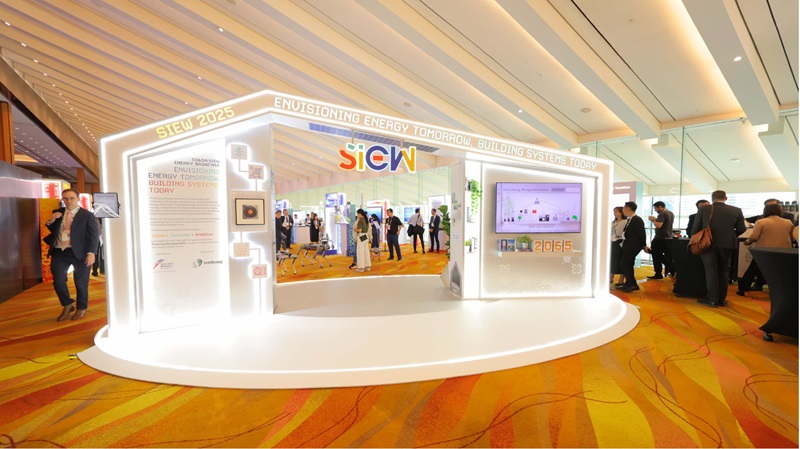
These announcements at SIEW 2025 underscore Singapore’s unwavering commitment to building a sustainable, resilient, and secure energy future. By fostering innovation, strengthening workforce capabilities, and enhancing regional and global collaborations, Singapore is well-positioned to lead the way in energy transition—today and in the years to come.