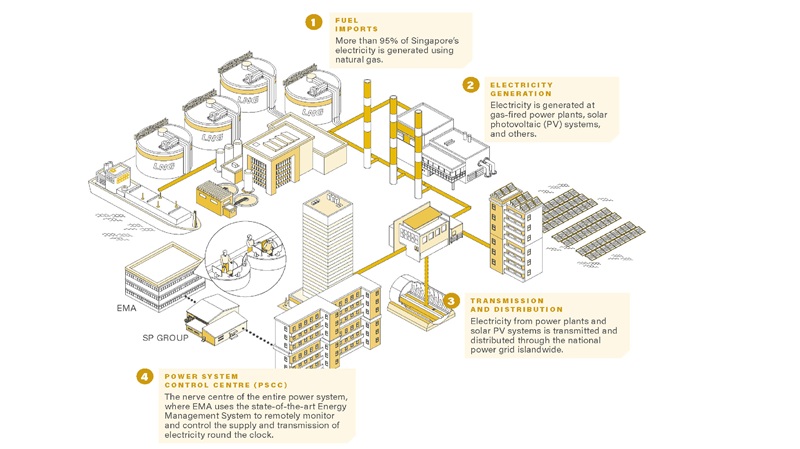










Energy prices have been in the news lately. Over the past few months, the conflict in the Middle East has disrupted global energy supply chains, driving up the cost of natural gas that Singapore relies on to generate electricity.
In Singapore, the electricity tariff is set based on the average daily cost of natural gas in the first 2.5 months in the preceding quarter. For example, the average of daily natural gas prices from 1 January to 15 March 2026 is used to set the tariff for April to June 2026, and the average of daily natural gas prices from 1 April to 15 June 2026 will be used to set the tariff for July to September 2026.
This means changes in global gas prices can take some time to show up in your bill. We have already seen this play out: the regulated electricity tariff for the April to June 2026 quarter rose only slightly, as it only included the rise in gas prices from 28 February (when the Middle East conflict started) till 15 March 2026.
However, with gas prices remaining significantly elevated between April and June 2026, the electricity tariff is expected to rise more sharply in the quarter starting 1 July 2026.
So, what exactly influences natural gas prices, and what other options do households have beyond buying electricity at the regulated tariff?